How To Get Testimonials On Video
A written testimonial gets skimmed. A video of the actual person saying it does not. Getting one is mostly about making it easy for them.
A quote with a name under it could have been written by anyone. Thirty seconds of a real person talking could not.
That is the whole argument for video testimonials, and it is why they are worth the effort of chasing.
Who to ask
The clients who have already said something nice, unprompted, in an email or a call. You are not asking them to form an opinion, you are asking them to repeat one.
Ask soon after the result. Enthusiasm has a short half-life, and a client who was thrilled in March is neutral by August.
Pick people your prospects will recognise themselves in. One testimonial from exactly the right kind of client beats five from the wrong ones.
How to ask
Directly, and make the ask small.
"Would you be up for a five-minute video call where I ask you three questions about the project? I will handle the editing and you get final approval before anything goes out."
Three things in that sentence do the work: five minutes, three questions, and final approval. The approval line removes the fear, and it is the reason most people say no.
The questions
Send them in advance. Unprepared people ramble and then apologise for rambling.
Three questions covers it:
- What was the situation before we started? What was actually the problem?
- What did we do?
- What has changed since?
The first question matters most and it is the one people skip. A testimonial without the before is just praise. With the before, it is a story a prospect can recognise.
Then one follow-up, always: "What would you say to someone considering it?" That is the line that usually ends up in the edit.
Getting usable footage
In person is better. A phone on a small tripod, a clip-on microphone, a window to one side. That setup costs very little and it is enough.
Remote works. Record the call, and ask them to sit facing a window with the laptop on a stack of books so the camera is at eye level. Crucially, record their audio locally as well if you can, because call audio is what ruins most remote testimonials.
Audio matters more than picture. People tolerate soft footage and switch off on bad sound. If you spend money on one thing, spend it on a microphone.
Shoot it in a place that says something. Their site, their workshop, their office. A blank wall says nothing.
The edit
Short. Thirty to sixty seconds for the main cut.
Cut out every "um", every question, and the first ten seconds where they were finding their feet. Nobody needs to hear you asking.
Captions always, because most of it gets watched without sound.
Make two versions: a short one for social and a longer two-minute one for the website and for sending to prospects mid-deal. The longer one is the one that actually closes things.
Where to use it
The relevant service page, not a testimonials page nobody visits. Next to the pricing. In a proposal. In a follow-up email after a sales call.
A testimonial works hardest at the moment of doubt, which means placing it where the doubt happens.
If they say no
Some clients cannot appear on camera. Procurement rules, privacy, competitive reasons.
Take a written quote with a name and a title, or an anonymised version with the sector named. Both are worth having and neither is a failure.
Never write one for them and ask them to approve it. Never publish something they did not say. That is the line, and it does not move.
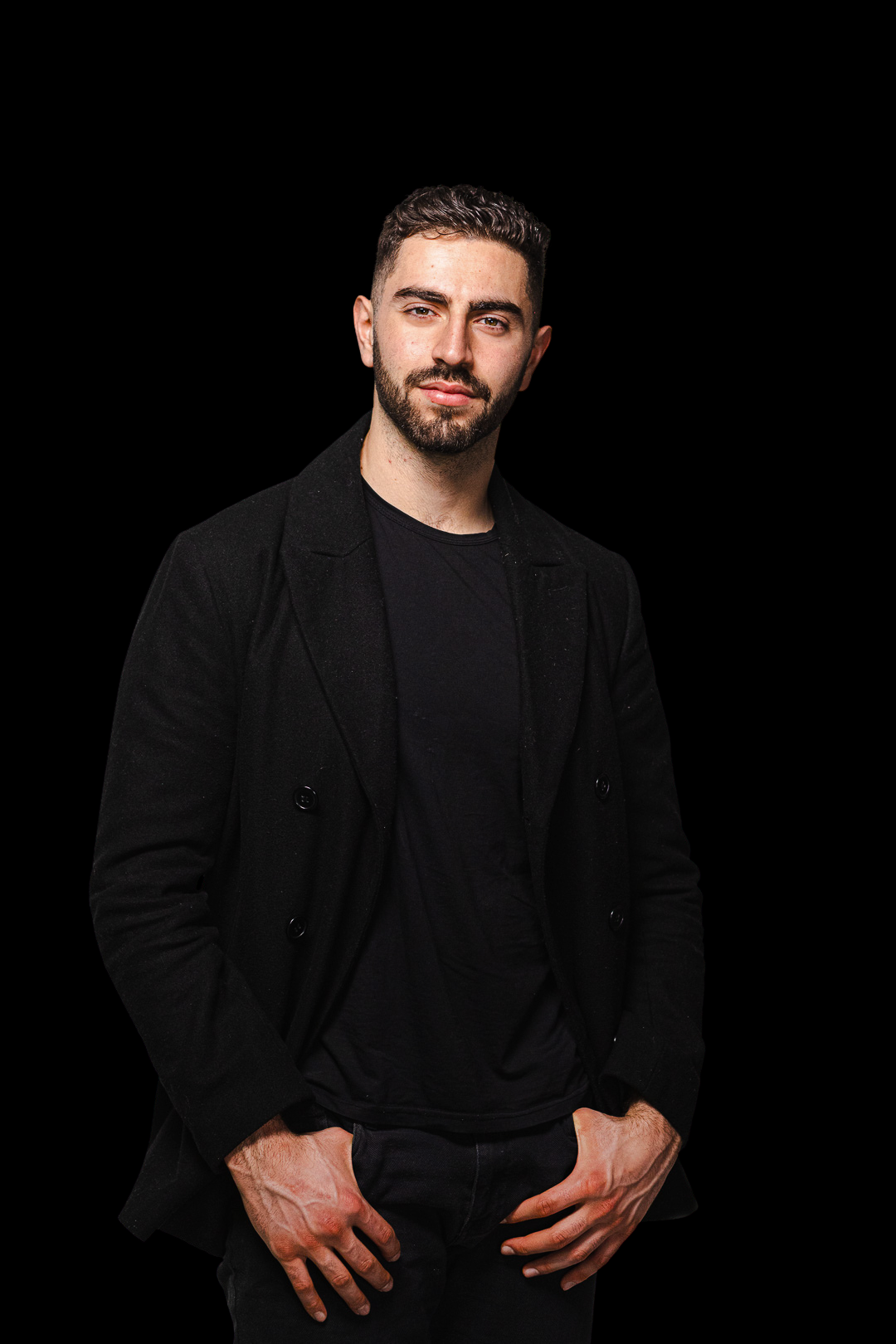
David Eid
Marketing Strategist · Founder of Ignis
Marketing strategist based in Sydney, Australia. Founder of Ignis - premium marketing that scales businesses. Our average client generates $3M+/year and 1M+ views/month.
Get weekly marketing insights
No fluff. No spam. Strategies from someone who has done it. Delivered to your inbox every week.