What Your About Page Should Actually Say
The about page is often the second most visited page on a site and the least considered. People go there to decide whether to trust you.
Check your analytics. The about page is usually near the top, and it is almost always the page nobody has looked at since the site launched.
People go there for one reason. They are considering working with you and they want to know who they would be dealing with.
It is not about you
The mistake is in the name. Most about pages are a company history written for the company.
Founded in 2011. Grown steadily. Committed to excellence. A timeline nobody asked for.
The reader is not researching your history. They are deciding whether you are the right people, and every line should be helping them decide.
Answer the questions they actually have
Who runs this. Are they experienced in the specific thing I need. How big are they and does that matter for my job. Have they done work like mine. Would I want these people in my building.
That is the whole brief. Write to those.
Show the people
The single biggest improvement to most about pages is real photographs of the actual people, with their real names and what they actually do.
Not stock photography. Not silhouettes. Not a generic team shot from an image library. Anyone can tell, and the moment they can, everything else on the page is worth less.
If you are a small team, show the small team. Being small is not a weakness to hide, and hiding it reads worse than stating it.
Say what you are good at, and what you are not
A page that claims to be excellent at everything reads as a page that has not thought about it.
Naming what you specialise in, and being straightforward about what falls outside it, makes every other claim on the page more credible. It also saves you from enquiries you did not want.
This is counterintuitive and it works. Precision reads as confidence.
Proof, in the specific
Credentials, accreditations, licences, years in the trade, the kinds of projects you handle. Concrete things that can be checked.
"Twenty years of experience" is fine. "Twenty years, mostly on heritage buildings in the inner west" is far better, because it tells the reader whether it is twenty years of their kind of work.
Only claim what is true and verifiable. An unverifiable claim on the about page contaminates the whole site.
Say why the business exists
Not a mission statement. The actual reason.
Somebody started this business because something was not being done well, or because they wanted to work a particular way. That reason, said plainly and in one or two sentences, does more than a paragraph of values.
If you cannot say it without sounding like a brochure, you have not found it yet. Say it out loud to someone and write down what you actually said.
Give them somewhere to go
The about page is where people decide, and most of them dead-end there.
Put the next step at the bottom. Whatever the main action on your site is, it should be there, because the person who read the whole page is the most qualified visitor you have.
Keep it current
Staff who left. A team photo from years ago. An achievement from 2019 as the most recent thing on the page.
The about page tells people how much attention you pay to detail, whether you intended it to or not. Review it once a year and it will keep earning.
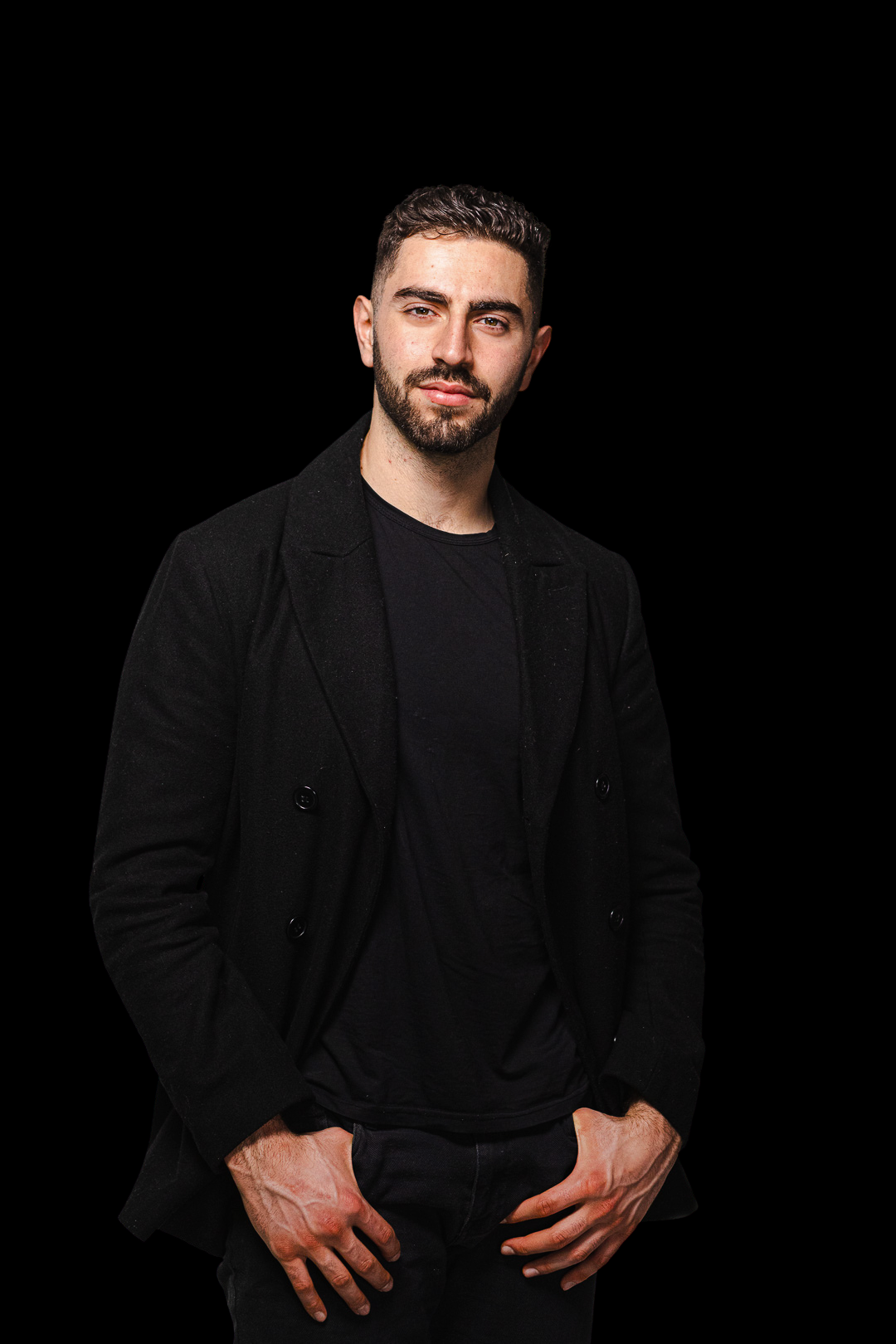
David Eid
Marketing Strategist · Founder of Ignis
Marketing strategist based in Sydney, Australia. Founder of Ignis - premium marketing that scales businesses. Our average client generates $3M+/year and 1M+ views/month.
Get weekly marketing insights
No fluff. No spam. Strategies from someone who has done it. Delivered to your inbox every week.