How to Build a Marketing Funnel That Actually Converts
Most marketing funnels are overcomplicated. Here is the simple three-stage funnel that generates $3M+/year for our average client.
Marketing funnels have been overcomplicated by every agency and course creator on the internet. You do not need 17 stages, 4 email sequences, and a retargeting pixel firing on every page.
You need three stages. That is it.
The three-stage funnel
Stage 1: Attention
This is where someone discovers you exist. They see a video, read an article, come across your ad, or hear about you from someone else.
The goal at this stage is not to sell. It is to demonstrate expertise and earn the right to stay in their world. Every piece of content you create - every video, every blog post, every social media post - is a Stage 1 asset.
What works here:
- Short-form video (TikTok, Reels, Shorts) - broadest reach
- Blog articles optimised for search - long-term compounding traffic
- LinkedIn posts - targeted professional audience
- Paid ads running proven organic content - amplified reach
What to measure: Views, impressions, new followers, website traffic from new visitors.
Stage 2: Trust
This is where someone goes from "I have seen this person" to "I trust this person." They consume multiple pieces of your content. They start following you. They visit your website. They read your articles.
The goal at this stage is to prove that you know what you are talking about and that you genuinely want to help. This is where specificity matters - case studies, detailed frameworks, real numbers, real stories.
What works here:
- Long-form content (YouTube, blog articles, case studies)
- Email newsletters with genuine value
- Testimonials and client results
- Behind-the-scenes content showing your process
What to measure: Repeat visitors, email subscribers, content saves, time on site, direct messages.
Stage 3: Conversion
This is where someone decides to buy. They have seen your content. They trust your expertise. Now they need a reason to act and a clear path to do so.
The goal at this stage is to make it easy and obvious. Your offer should be clear, the process should be simple, and there should be a reason to act now rather than later.
What works here:
- Clear service pages or landing pages
- A simple contact form or booking link
- Social proof at the point of decision (testimonials, case studies, results)
- A guarantee that reduces risk (like ours: 1,000,000 views in 6 months or you don't pay until we do)
What to measure: Enquiries, booked calls, proposals sent, deals closed, revenue.
Why three stages is enough
Every additional stage you add creates friction. Friction kills conversion. The businesses with the simplest funnels - content to trust to sale - consistently outperform the ones with 12-step automated sequences.
Our average client generates $3M+ per year using this three-stage model. Content builds the attention and trust. The sales process handles the conversion. There is no complex middle layer.
The common mistakes
1. Skipping Stage 2. Running ads directly to a sales page without building trust first. This works for low-ticket impulse purchases. It does not work for high-ticket services.
2. Overcomplicating the funnel. Every tool, plugin, and sequence you add is another thing that can break. Keep it simple.
3. Not producing enough Stage 1 content. You need volume at the top of the funnel. Five posts a week minimum across platforms. The more people you reach, the more enter the funnel.
4. Weak Stage 3 offer. If your landing page does not clearly explain what you do, who it is for, what results to expect, and how to get started, you are losing people at the finish line.
Building your funnel this week
Day 1-2: Audit your current content. Is it demonstrating expertise? Is it specific? Would you trust someone who posted this?
Day 3-4: Set up your Stage 3 asset. A simple landing page with: what you do, who it is for, proof it works, and a clear CTA.
Day 5-7: Start producing Stage 1 content daily. Short-form video, written posts, anything that reaches new people.
Ongoing: Measure which content generates the most enquiries and double down. Cut what does not perform.
The funnel is not a piece of software. It is a system of content, trust, and a clear offer. Build those three things and the revenue follows.
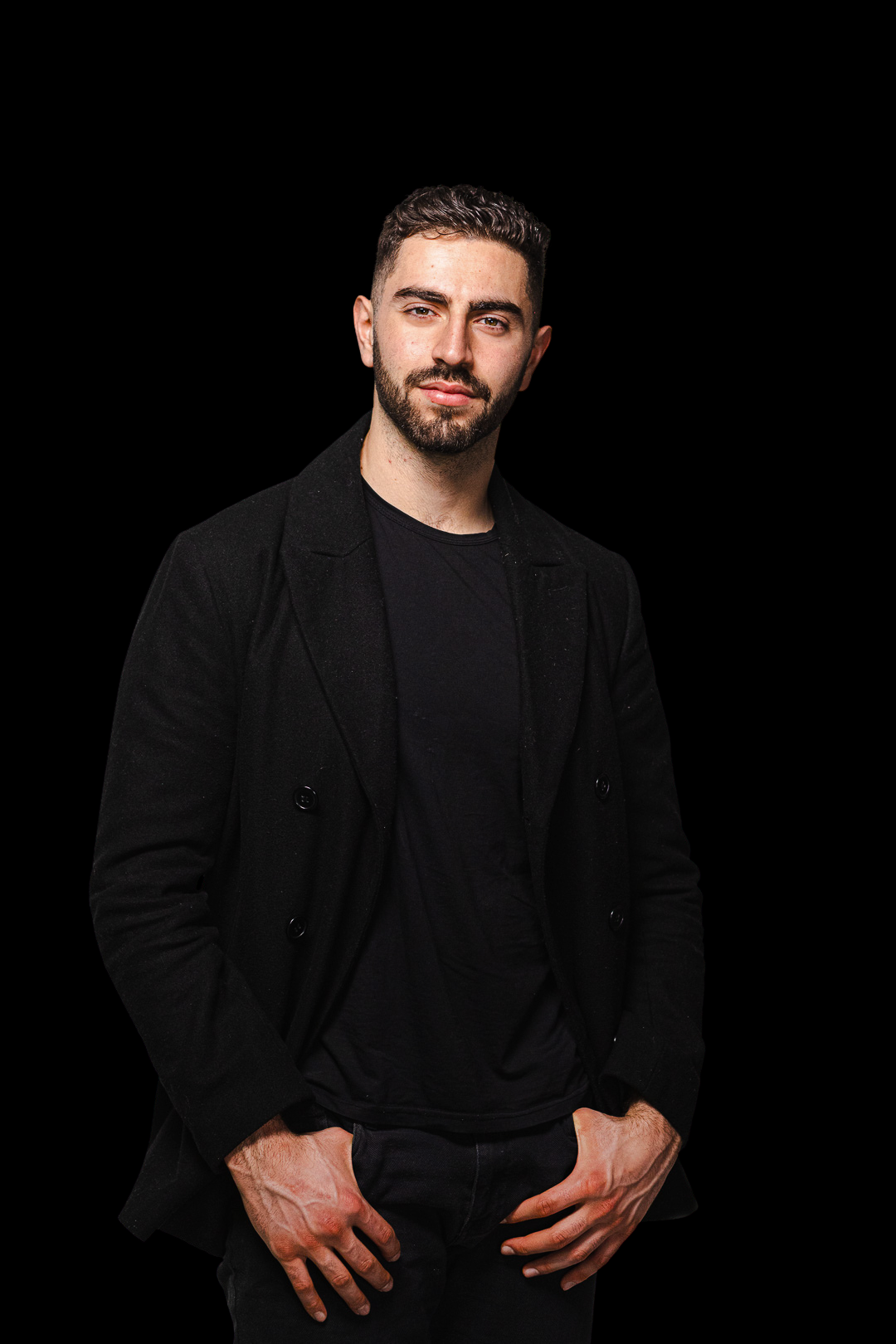
David Eid
Marketing Strategist · Founder of Ignis
Marketing strategist based in Sydney, Australia. Founder of Ignis - premium marketing that scales businesses. Our average client generates $3M+/year and 1M+ views/month.
Get weekly marketing insights
No fluff. No spam. Strategies from someone who has done it. Delivered to your inbox every week.