How To Get Comfortable On Camera
Stop performing and start explaining. Answer a real client question to one real person, keep your early takes to yourself and get 30 reps in. The nerves drop once you stop presenting.
You get comfortable on camera by explaining something you know to one real person instead of performing for an audience, then doing that 30 times. The nerves come from pretending to be a presenter, and they drop once you are just answering a question you already answer every week.
If you run good meetings, you already have the skill. I got 50M+ views in the first 3 months of the personal brand by talking about work the way I talk in a meeting room.
Someone behind the phone
The fastest fix is to stop talking to a lens on your own. Get a team member, a mate or a videographer to hold the phone and ask you questions, the same ones clients ask.
You look at them, you answer, and suddenly it is a conversation. That person is the difference between performing and explaining. They can also say "that was good, say it again shorter", which you will never say to yourself.
Film where you work
Put yourself where you already feel like the expert: the boardroom, the site, the workshop, the job you just finished. A blank wall turns you into a newsreader, and newsreaders train for years.
Move around, too. A lot of my own videos get filmed on a walk, because walking gives your nerves somewhere to go and your voice loosens up. If your hands feel strange, hold something real, like a drawing, a product or the part that failed on the job.
Dot points
Reading word for word is what makes people look stiff, and viewers pick it up straight away. Write three dot points: the question, your answer and one real example. Then say it the way you would to a client.
If you want the words sorted before you press record, write them, read them out loud a few times and put the page down. The method is in how to write a short video script.
Warm up on camera
Your first few takes are the warm-up, so let them be bad. Hit record before you feel ready, keep it running and say the answer two or three times in a row. You will usually hear it settle by the last one.
Film five videos in one sitting while you are at it. When you have five, no single one carries any weight, and you stop holding your breath over each take. The workflow is in how to batch content like a pro.
Speak a little louder than feels normal, as well. Your energy reads lower on a screen than it feels in the room.
Your voice and your face
Everyone hates their own voice on a recording. Part of that is physics, because you normally hear yourself through your skull as well as through the air, so the recording sounds like a stranger. Every person who has heard you speak already knows what you sound like, and nobody has complained.
Do not sit there studying your face. Check the sound once, check the point landed and move on. Better still, hand the footage to someone else and let them pick the take. An editor can cut the ums and the long pauses.
Sort the basics once, then forget them: phone at eye height, face a window, lapel microphone on. The setup is in how to film good video on your phone.
Your mates
This is the real fear for a lot of owners. It has nothing to do with the camera, and everything to do with your mates at the pub seeing it.
Your mates will give you grief for about a fortnight. Then someone in your industry messages you about a job, and the grief stops mattering. I have watched operators who spent decades without social media go through exactly that moment, and it is my favourite part of this work.
The 30 video plan
Film one video a day for 30 days, or batch them over a few sittings, each one answering a real client question. Keep the first five to yourself if you need to, and post the sixth.
You are done when you can hit record without preparing and without a knot in your stomach. Nobody skips those reps, and the case for why they are worth it is in why founders should be on camera.
Once the camera stops feeling like a test, every question you answer at work can become a video, and that habit is what now brings in 10 warm organic inbound leads a day from the personal brand.
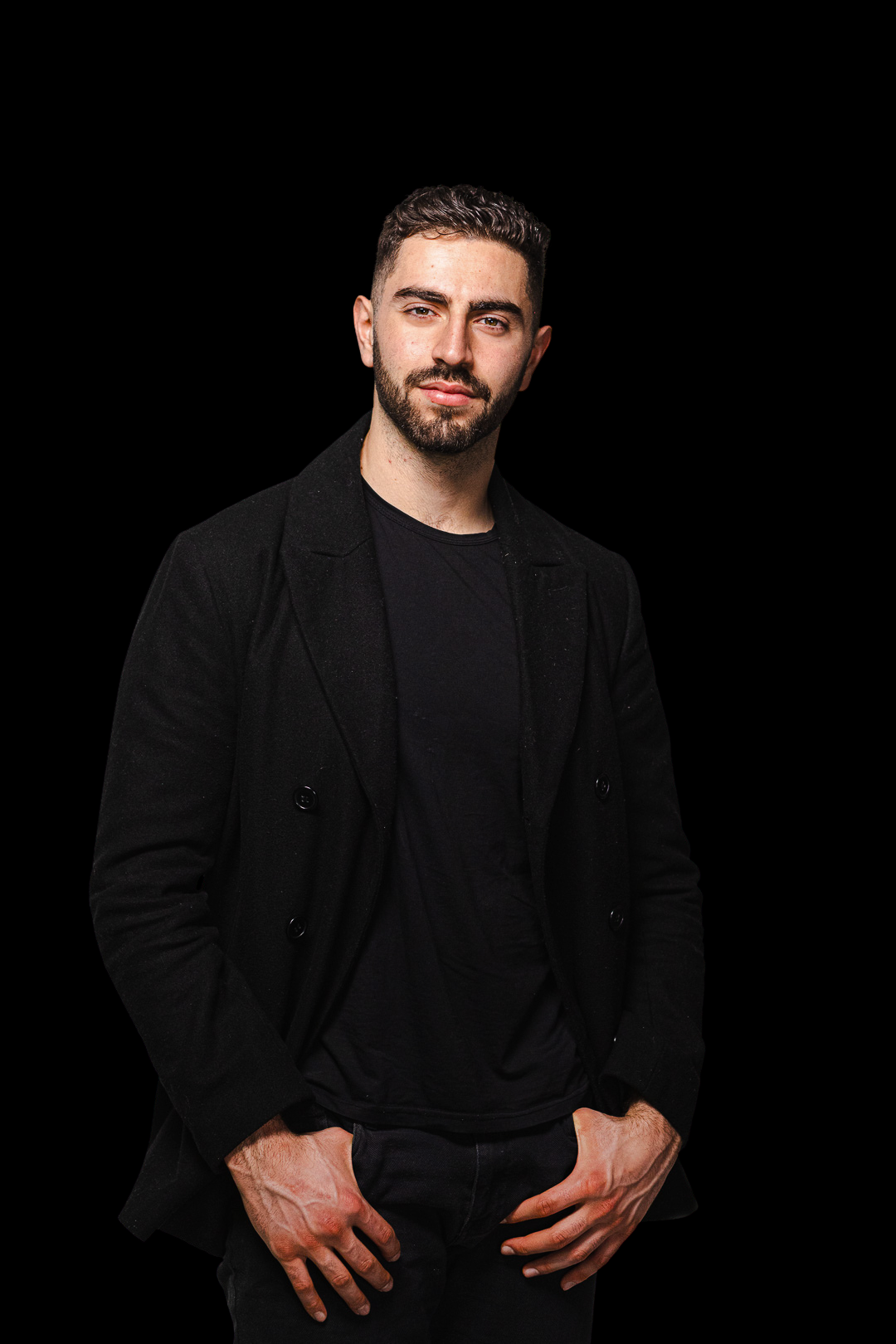
David Eid
Marketing Strategist · Founder of Ignis
Marketing strategist based in Sydney, Australia. Founder of Ignis - premium marketing that scales businesses. Our average client generates $3M+/year and 1M+ views/month.
Get weekly marketing insights
No fluff. No spam. Strategies from someone who has done it. Delivered to your inbox every week.